Table of Content
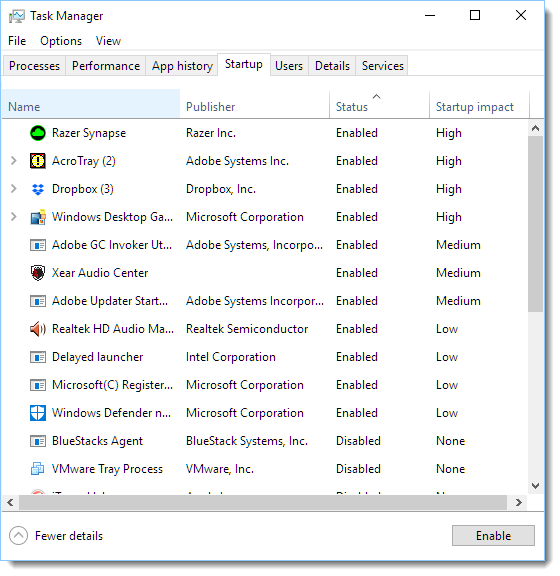
If you have a program that you want to start with Windows for all the users then you should add that program to the All Users startup folder. To sum up, Windows 10 Startup folder is a good choice to decrease the loading time of programs. This post not only tells you how to add or disable Startup programs, but also shows three ways to fix Windows 10 startup folder not working. You can drag and drop the program shortcuts out of this folder to make them launch at startup or prevent them from launching. The new method in Settings works for most cases, but this folder method is more flexible as you can add pretty much any shortcut, which can’t be done from the Settings app. More details option seen in the bottom left of the window.
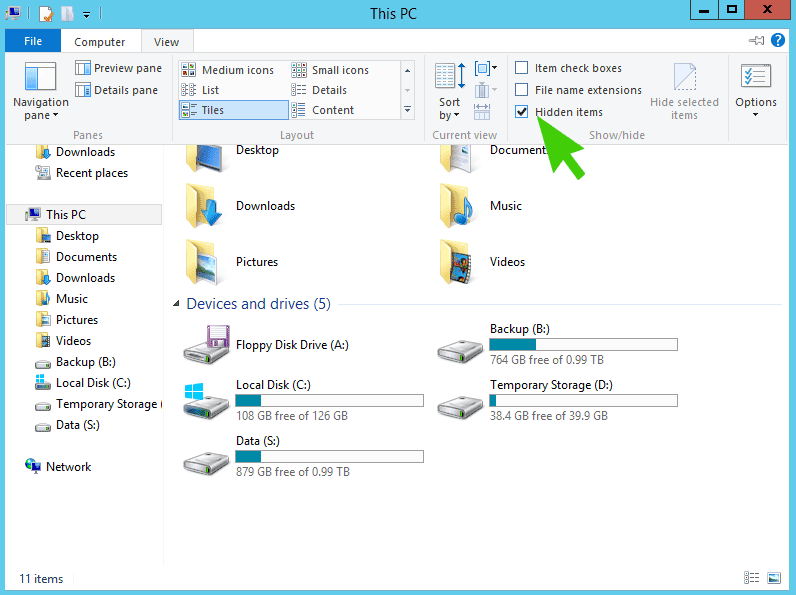
You could click on the Program Files folder and find icons labeled with the program you wanted to run. All that was needed was a quick double-click and the program was launched. Furthermore, both of these folders are inside default hidden folders. So, you will need to enable the Show hidden folder option to be able to access them from File Manager. To do so, you can click on View, select Show and enable Hidden items. However, the startup folder is located inside a hidden folder, making it harder to find from the File Manager.
Best AirDrop Alternatives for Windows 11/10/8/7 PC 2022
When you boot up your operating system or log on to your computer, some programs run automatically without any actions on your part. In Microsoft systems such Windows 10, these programs are launched from the startup folder. Some of these applications are defined by Microsoft, whereas others are user-defined. We’ll explain which programs you should always run at startup and show you how to add and remove programs from startup in Windows 10. The local startup folder applies the changes you make only to your current user account. On the other hand, the common startup folder applies the changes you make to all the user accounts in the computer.
As of Windows 7, it has been possible to reset or refresh a system without having to start from scratch – you canand documents to . Luckily, you always have the option to reset your Microsoft operating system with or without losing your files. To do all that, you need to know where to find the Windows startup folder. Even though the Windows Startup folder got put on the back burner quite some time ago, it is still available, hidden within the deep data structure of Windows 10. It sounds complicated to find or get to, but it isn’t at all.
How to Install Windows 10 on a Mac, iMac or Macbook
Open the Run function dialog box by pressing the Windows key + R key simultaneously. When Windows 8 was launched, Microsoft decided to eliminate the Start Menu. Even though all of the functionality was still present in the operating system, it was much harder to locate everything. Microsoft wanted users to go a different way with scheduling programs for automatic execution. If you want to remove the application from the Windows startup list, simply delete the shortcut in the startup folder and you are done.

And if you change your mind later, and would like to stop a certain program from running at startup, you'll need to remove that program from this folder as well. The Startup folder will immediately open and you’ll likely see a bunch of folders and program shortcuts. With the steps below, you can easily locate the Startup folder for the local user currently logged in on the system. Windows 7, the folder was easily accessible from the Start menu itself.
In this guide we will see how to add programs and apps to startup folder in Windows 10.
In other words, it won’t save you time unless your computer has enough resources to start all the applications without having performance issues. If you struggle with performance issues, it’s worth taking a look at your startup folder in Windows 10. Windows may be running too many applications or overly CPU-intensive programs for no good reason every time you log on to the system. To address this problem, remove unnecessary applications from your startup folder. There is also an All Users startup folder in addition to your personal startup folder. The applications in this folder run automatically when all users log on.
Enter the web address of your choice in the search bar to check its availability. If you’re having regular performance problems, you should also check whether certain processes are consuming unnecessary amounts of RAM. To learn how, see our step-by-step guide to freeing up memory. Email Professional Email AddressReach out with your own email address.
If you want to know how you can open and find this particular folder, we have covered all the information. Don’t confuse the startup folder with the autorun function. Autorun is a feature that allows the operating system to perform a specific action automatically when you insert a removable storage device such as a CD or a USB thumb drive.
Many programs offer the option to run at startup in their settings. You should first check to see if the software you’d like to add to startup offers this option. If so, you can use this option and save yourself the following steps. There is one area that enables you to interact with the Startup function, which contains all of the programs found inside of the folder. The only difference is that programs cannot be added or removed.
Her work has appeared in Paste Magazine and she holds both B.A. He has been covering consumer technology for over a decade and previously worked as Managing Editor at XDA-Developers. Joe loves all things technology and is also an avid DIYer at heart. He has written thousands of articles, hundreds of tutorials, and dozens of reviews. Windows 10 moved the “Startup” folder out of the spotlight, but it can still be found if you know where to look. It contains apps that run when you sign in to your computer.
All Users startup folder is located in the below location. It is a good idea adding the programs you use often to Startup in Windows 10. In this way, the loading time of programs would be greatly saved, because the programs start as soon as the operating system boots. Click View to find Show hidden files, folders and drives in Advanced settings and choose it. The main thing to remember is that if you want to have a program start as soon as Windows 10 begins running, you'll need to add your desired program to this particular folder.
Struggling to find the Windows 10 startup folder location? Once added, Windows will automatically launch any and all programs in the startup folder. Of course, if you don’t need a program starting with Windows, you can simply remove the target program’s shortcut from the startup folder. For most users, these initial steps won’t take long, and you’ll see your designated Startup folder apps launch within a second or two of reaching the Windows 10 desktop. If you have lots of applications and services already configured to launch at boot, it may take a few moments to see your Startup folder items appear.
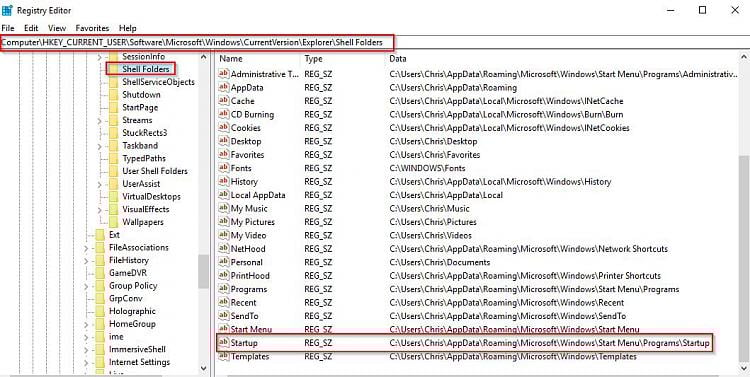
The startup folder in Windows automatically launches all the applications inside it when your computer starts. If you want to configure your startup applications, you’ll first need to access the Startup folder. The startup folder typically only contains links to the programs that you want to start automatically. However, the startup folder can also contain any other files that you want to run when you log on. In addition to the programs in the Windows 10 startup folder, there are other files that are a permanent part of your operating system and run automatically at startup. These include the Run, RunOnce, RunServices and RunServicesOnce keys in the Windows registry.
Install GBA Emulator iPhone With iOS 11 / 12 Without Jailbreak
It’s an important indicator of internal problems with hardware, software, or drivers. If Windows can no longer be run as a result of such a problem, then the forced shutdown takes place in the form of a blue screen containing an error message. If you fail to solve Windows 10 Startup folder issue, you can check Windows 10 Startup registry, such as adding a new String Value or editing the String Value by Registry Editor. The simplest way to solve Windows 10 Startup folder not working is reinstalling the programs. Startup of Task Manager shows all the programs start with Windows 10. Excel Repair Repair corrupt Excel files and recover all the data with 100% integrity.


No comments:
Post a Comment