Table Of Content

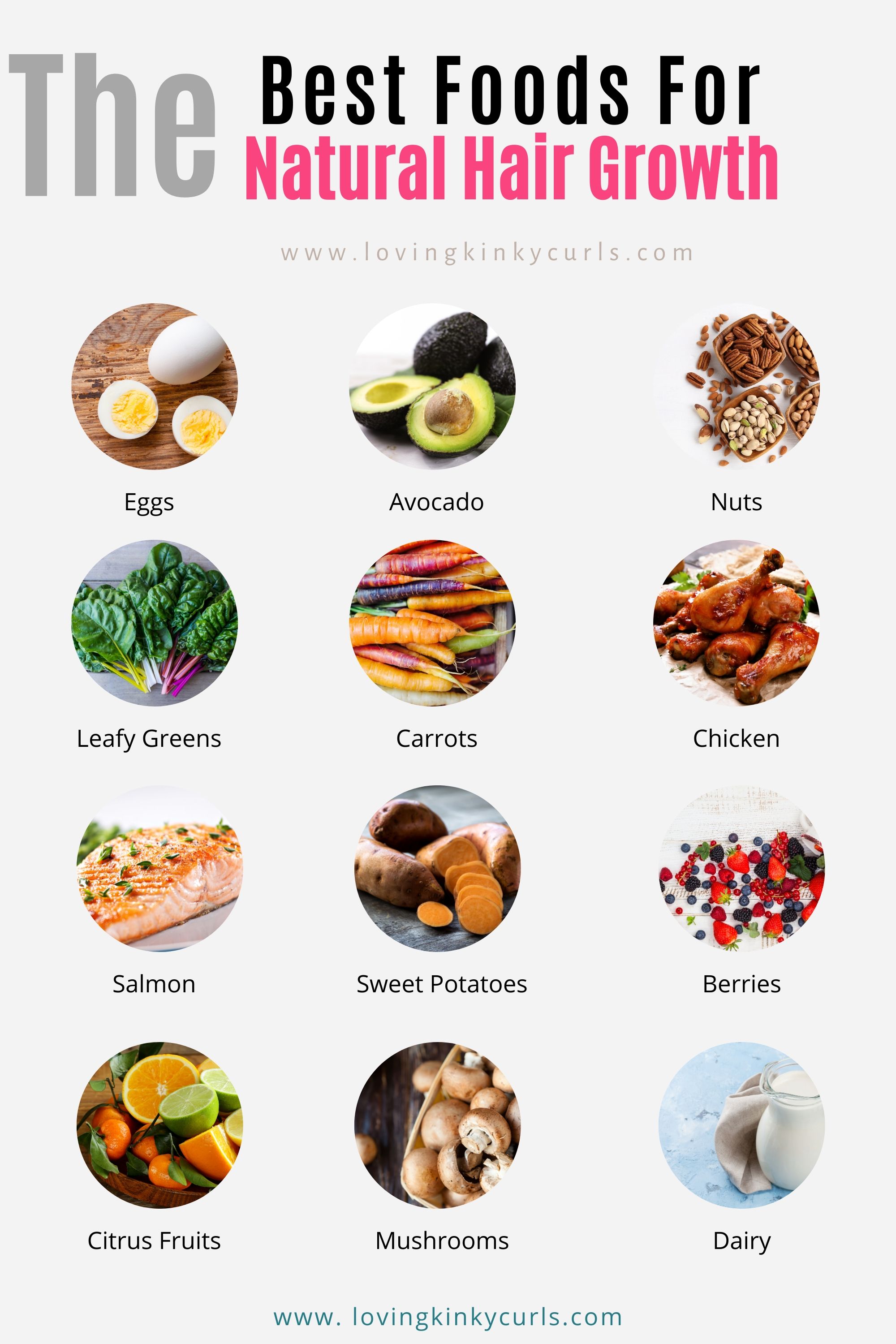
Nuts and seeds supply the body with omega-3 fatty acids, vitamin E, and zinc, says Dr. Camp. Omega-3 fatty acids and vitamin E both possess anti-inflammatory properties that protect hair follicles from oxidative stress, he notes. “Zinc plays a role in protein synthesis in our body, including keratin—one of the main structural proteins that form hair,” explains Gans. So, what foods can you add to your meal planning that will boost your intake of these helpful vitamins that support hair growth? Dr. Camp says that “unprocessed, natural food sources are the best places” to look for these vitamins and nutrients. Here, our hair and nutrition experts share specifically what you can start eating more of right now.
Salmon
Best Hair Growth Vitamins of 2024 - Healthline
Best Hair Growth Vitamins of 2024.
Posted: Mon, 25 Mar 2024 07:00:00 GMT [source]
If you don’t love red meat, shellfish like cooked oysters also contain high amounts of zinc. The right foods can be really good for your 'do, but hair loss has many causes. Sometimes, genetic factors like male or female pattern baldness can play a role. Thyroid disease, anemia, autoimmune diseases, and hormone issues may also cause changes or loss of hair.
Best for Grays: Living Proof Scalp Care Density Serum
In one older study, people with hair loss experienced 34.5% more hair growth after taking a vitamin E supplement for 8 months (17). When you have fine hair, you might be more likely to avoid rich hair masks that feel like they'll weigh your hair down. This option from Ouai is geared toward aiding you on your journey to healthy, hydrated hair without making it fall flat—a testament to its carefully formulated blend of shea butter, panthenol, keratin, and protein.
Vitamin D
There are so many different kinds to choose from, and various seeds and nuts provide powerful doses of the nutrients we've already discussed. Flaxseeds and chia seeds are good sources of omega-3 fatty acids, while sunflower seeds are chock full of vitamin E and iron. Keeping that in mind, studies have shown that a balanced diet with adequate calories, protein, healthy fats, complex carbs, vitamins, and minerals supports healthy hair growth.

But the real standout ingredient in this budget-friendly shampoo is rice water. Researchers have discovered that rice water may improve hair elasticity — thus making it less prone to breakage. Additionally, inositol — one of its components — can penetrate damaged hair, repairing and strengthening it from the inside out. Supporting your body's natural collagen production is an alternative to taking collagen externally. Collagen production gradually drops as we age, but other factors, such as certain lifestyle habits, can prompt production to drop more quickly.
The Best Food for Hair Growth, According to Dermatologists and Stylists
10 foods that promote healthy hair and stop hair fall - Mint
10 foods that promote healthy hair and stop hair fall.
Posted: Thu, 22 Feb 2024 08:00:00 GMT [source]
A lack of proper nutrients, including vitamins A, C, D, and E, zinc, B vitamins, iron, biotin, protein, and essential fatty acids, may slow hair growth or cause hair loss. I'm a longtime fan of Brigeo's whole haircare line because the products are clean, emphasize naturally derived ingredients, and always contain nutrients with well-studied benefits. This shampoo is no exception, with scalp-stimulating and antioxidant-rich green coffee oil, copper peptides to promote hair growth, and lindera strychnifolia root extract for a healthy, balanced scalp microbiome. I never get tired of the warm vanilla-tinged, fruit-forward scent, either. As far as we know, dandruff doesn't necessarily directly cause hair loss. However, it can increase sebum production, and research has shown that the inflammation, irritation, and itchiness this causes may lead to hair follicle damage that promotes hair loss.
Quite a few studies have also linked diets that eliminate certain foods with an increased risk of hair loss. “Some vegans I have worked with who have both lost weight and removed animal products have also reported hair thinning and or hair loss,” says Kimberly Gomer M.S., R.D., due to nutrient deficiencies. Hair growth is a complex process that hinges on several different factors. Key nutrients, like omega-3 fatty acids, biotin, and other vitamins, are important for growing hair.
“Most adults can get all the omega-3 fatty acids they need by eating just two servings of salmon weekly,” says Yawitz. You can have your salmon grilled, broiled, raw, or mixed in with scrambled eggs—a great source of biotin. This popular source of healthy fats combines many of the nutrients highlighted above. “Vitamin E and tocotrienol, an antioxidant found in avocados, could help boost hair health,” Tamburello explains.
Food & Nutrition
That's because it replenishes the scalp's moisture, nutrients, and skin barrier all at once. There is a commercially available food supplement tablet containing hydrolyzed fish-origin collagen (300 mg/dose), taurine, cysteine, methionine, iron, and selenium, marketed for people with hair loss disorders. There is no controlled data showing the efficacy of this product as an addition to specific treatments for hair loss conditions. A 2023 study found that participants given this supplement had a better response to hair treatments than those who received the treatments alone, but the study had several limitations. The study was not double-blind (double-blind means that neither the participants nor the researchers know which treatment the individual participants are receiving).
For omnivores, they should include adequate amounts of protein from fish, beans, eggs, and lean meats, as well as lots of fresh fruits, vegetables, and whole grains. However, the quality, quantity, and growth of hair are also closely linked to the diet. Laura Iu, R.D., is a registered dietitian nutritionist, certified intuitive eating counselor, yoga guide, and owner of Laura Iu Nutrition, a private practice in New York City. She earned her Bachelor of Science in Nutrition and Dietetics from New York University and completed her internship in dietetics at Weill Cornell & Columbia Medical Center of New York-Presbyterian Hospital.
Celebrity hairstylist Marc Mena points to avocado as one of his top choices, since the fruit contains vitamin A, B vitamins, vitamin C, vitamin D, vitamin E, iron, zinc, and biotin. “Biotin is often recommended for hair health and can be found in eggs, nuts, and whole grains,” Dr. Henry says. “Men need around 11 milligrams of zinc daily for optimal hair growth,” says Yawitz. “You can get all the zinc you need in a day by eating just two medium oysters at your next dinner party.” We don’t know about you, but you don’t need to give us an excuse to eat more oysters. “Vitamin C is a water-soluble vitamin which has antioxidant properties that are protective of hair follicles and it is also a component in collagen production, which is vital for hair strength,” says Wheeler.
Maybe you've always dreamed of Rapunzel-worthy locks — or maybe you got an impulsive chop at the salon, and regret is sinking in. If there's one thing I've learned on my quest for thicker and longer tresses, it's that healthy hair growth all starts with a healthy scalp. There's no guarantee that the collagen you eat directly benefits areas such as skin or joint health, but foods that support collagen production are still generally recommended as part of a health-supporting eating plan.
Hair loss can range from thinning to total loss of hair, can be temporary or permanent, and can affect all ages and genders. People who have gout or other conditions that require them to limit protein intake should avoid collagen supplements. Topical products containing collagen, such as skin creams and serums, are available, but research backing their efficacy is lacking. Collagen is found in deeper layers, but collagen fibers are too large to permeate the outer skin layers, and peptides (shorter chains of collagen) are unsuccessful. There isn't evidence from human studies that collagen taken orally will end up in one's skin, nails, or hair.
You may have noticed cannabidiol (CBD) popping up in more haircare and other products as of late, and that's no surprise when you consider that it can help regulate sebum production for improved scalp health. In fact, participants in a small 2021 study applied CBD topically every day for six months, and researchers observed a 93.5% increase in hair count — with no side effects, to boot. CBD is the superstar ingredient in this innovative shampoo, which also leverages the silk protein and vegan keratin alternative Karmatin™.
For this piece, beauty writer Carol Lee spoke with trusted hair experts about hair growth. She also searched the internet for top-rated hair masks for growth, perused reviews for dozens of popular options, and evaluated each on their features and customer reviews. In just five minutes, Redken’s mask proves why so many professional hair stylists rave about the brand.
However, high levels of vitamin A have been linked to the development and maintenance of hair health. As mentioned earlier, certain proteins like keratin help maintain the structure of our hair, skin, and nails. In fact, there are specific hair-follicle keratin proteins that help facilitate hair cell growth. As a dietitian, here’s what I recommend adding to your next grocery haul. If you’re not getting certain nutrients from food, you might see the effects in your hair. You can get your daily serving of iron through spinach, too, which Dr. Penzi notes is also an all-star source for Vitamin A.


No comments:
Post a Comment