Table Of Content

While our first instinct may be to reach for a promising hair tonic to lengthen our locks, we can’t ignore the underlying reasons why it can be a challenge to begin with. You can get folic acid with plenty of fresh fruits and vegetables, especially citrus fruits and tomatoes. Whole-grain and fortified-grain products, beans, and lentils also have it. Though mangoes are delicious on their own, you don’t need to simply eat them straight.
Fatty Fish
More research is needed to determine the role of diet in hair loss management. Avocados contain nutrients such as vitamin E, folate, niacin, magnesium, and vitamin C. Brazil nuts are packed with selenium, which studies suggest can help with hair growth. One Brazil nut alone has up to 90 micrograms of selenium, so you’ll want to limit your intake to no more than four Brazil nuts per day.
Chickpeas, Lentils, Beans and Peas
Biotin can help improve hair growth in people with a biotin deficiency (3). While more research is needed to understand the connection between micronutrients and hair loss, ensuring you’re getting enough of these 13 foods rich in nutrients that support hair growth is a good idea. While many products do provide applicator nozzles that reach through the hair, some droppers aren’t as precise. Not only that, but this shampoo features moisture-boosting hyaluronic acid, strengthening plant-based protein, and rosemary leaf extract to support hair growth. The subtle yet refreshing grapefruit-tinged scent doesn't hurt, either. With a plethora of moisturizing ingredients like sunflower seed oil and cupuaçu seed butter, this rich shampoo will keep curls soft, smooth, and frizz-free.
The Best Food for Hair Growth, According to Dermatologists and Stylists
Omega-3 fatty acids are critical for cell growth and function and have been correlated with reduced hair loss in some studies. Vitamin D needs further analysis, but some research has shown a relationship between vitamin D deficiency and sparse body hair. Berries — such as strawberries, blackberries, raspberries, and blueberries — contain vitamin C, which stands out for its antioxidant properties and starring role in the absorption of iron, both important for healthy hair. Citrus fruits contain limonin, which was shown to enhance anagen signalling, or the growth phase of hair, in rats according to a study published in the journal Nutrients. It's no wonder yoghurt — which is loaded with protein, probiotics, and other important nutrients — is a common ingredient in DIY hair masks.
Brigitt is a writer, editor and craft stylist with nearly 15 years of experience. She specializes in lifestyle topics, including home, health, parenting, beauty, style, food, entertaining, travel and weddings. She has written for Glamour, People, Good Housekeeping, Women's Health, Real Simple, Martha Stewart, Apartment Therapy, The Spruce, and more. Vitamin D3 deficiency is a common issue globally, and it influences your hair, among other health concerns, according to Gaunitz.
It’s worth noting that a common theme in the data was that too little or too much of a certain nutrient can have unfavorable effects on your hair. In light of this finding, following a balanced diet that includes nutrient-dense foods is one of the best ways to boost your hair growth regimen. Vitamin A is a group of compounds that include retinol and carotenoids.
Health Alerts from Harvard Medical School
"It helps to restore strength in the hair shaft by repairing broken bonds that occur because of exposure to chemicals/dyes, heat, and UV rays." By Heather JonesJones is a freelance writer with a strong focus on health, parenting, disability, and feminism. Fortunately, HUM’s Hair Sweet Hair gummies provide all three of these ingredients. One serving of salmon delivers 1.24 grams of EPA, 0.59 grams of DHA, and 815 IUs of vitamin D3. Like eggs, whole grains are chock full of L-cysteine, as well as biotin and zinc.
Should Anyone Not Use Collagen for Their Hair?
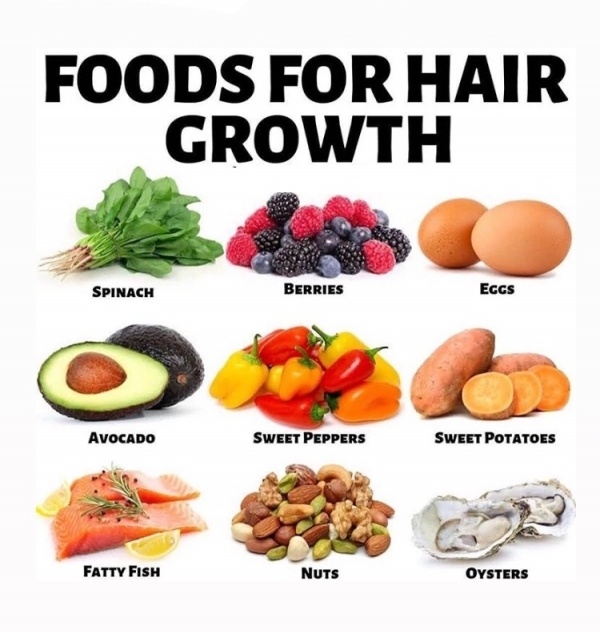
Eating a balanced diet rich in these vitamins and minerals may help promote hair growth, especially if your hair loss is due to poor nutrition. Some of the best foods for hair growth are foods with high nutritional value, like eggs, leafy greens, and fatty fish. Legumes such as beans, lentils, and peanuts also make great hair-growth foods. They're not only full of plant-based proteins, but they also serve as a good source of other key nutrients like zinc, iron and biotin. One cup of black beans, for instance, contains around 2 milligrams of zinc, while 28 grams of peanuts contain almost 5 milligrams of biotin, both around 10% to 20% of the recommended daily intake for most adults.
What Vitamin Deficiencies Can Cause Hair Loss? - Healthnews.com
What Vitamin Deficiencies Can Cause Hair Loss?.
Posted: Tue, 12 Dec 2023 08:00:00 GMT [source]
Vitamin C is also needed for the proper absorption of iron, a mineral that’s essential for hair growth cycle regulation. Lentils are one of the most protein-rich plant foods you can eat, providing 17.9 g of protein per cooked cup, which is nearly 30% more protein than what's found in two large eggs. Lentils are rich in the amino acids needed to support proper hair growth, including leucine, isoleucine, lysine, and valine. You can also find hair growth serums that contain active ingredients that have been FDA-approved to promote hair growth, like minoxidil. If your hair has looked a little thinner lately, reach for this hydrating shampoo. The formula boasts moisturizing aloe vera and argan oil, rosemary leaf oil to support hair growth, and vegan marine collagen — which is rich in amino acids that help make keratin.
Iron helps to transport oxygen to the cells in our body which may promote hair growth, says Gans. “When someone is iron deficient, also known as anemic, it is not uncommon to see hair loss,” she adds. You'll find protein and iron in Greek yogurt, making it an ideal food for hair growth. Cassetty prefers kefir, a drinkable, on-the-go option that you can pair with your regular breakfast for an extra kick of energy, and nutrients to help your hair grow long and stay healthy. Also, a small-scale study found that taking omega-3 supplements along with marine proteins could reduce hair loss, though the researchers noted that it did not specifically promote hair growth. Oysters are a good source of zinc, a mineral that supports the hair growth cycle.
People with some hair loss disorders, including those with androgenetic alopecia, have been shown to have decreased antioxidant activity and higher levels of malondialdehyde in their blood. Elevated levels of the stress hormone cortisol have also been observed in people with hair loss disorders, such as androgenetic alopecia. They're high in vitamin C—so much so that they contain triple the amount than oranges, with green peppers containing 95.7 mg, red peppers containing 152 mg, and yellow peppers containing an impressive 341 mg.
Add them to your the diet by making smoothies, mango salsa, or as part of a fruit salad. “Tofu and other soybean products contain spermidine—a substance known for its antioxidant and anti-inflammatory properties,” says Yawitz. Madeleine, Prevention’s assistant editor, has a history with health writing from her experience as an editorial assistant at WebMD, and from her personal research at university. She graduated from the University of Michigan with a degree in biopsychology, cognition, and neuroscience—and she helps strategize for success across Prevention’s social media platforms.
Here, dermatologists share the best foods for hair growth you should be eating regularly. This article looks at the best foods and nutrients to promote hair growth. Pulses are full of protein (for example, a cup of lentils has 18g protein) and contain folate, a B-complex vitamin vital for hair growth. In fact, a severe deficiency in folate can result in a condition called folate-deficiency anemia, which has symptoms like hair thinning and pigmentation changes in the hair.
"Additionally, chickpeas contain fiber — and the combo of protein and fiber nutrients can help keep you fuller for longer and help to keep your blood sugar levels stable," she says. Nuts and seeds are also rich in B vitamins, magnesium, zinc, and vitamin E, adds Rhonda Q. Klein, M.D., a dermatologist at Modern Dermatology in Westport, CT. Vitamin E teams up with selenium to keep cell membranes strong and provide antioxidant defense. Some people use herbal supplements to promote hair growth, though research has not confirmed that these remedies work.
When you don't get enough protein, hair growth "rests." Since it stops and older hairs fall out, you can have hair loss. To get protein from meat, pick lean options like chicken or turkey, which have less saturated fat than sources like beef and pork. Like so many dark green leafy vegetables, spinach is full of amazing nutrients.


No comments:
Post a Comment